World Animal Day: what responsible pet ownership means in Nigeria
October 4 is World Animal Day. Five commitments that separate keeping an animal from actually caring for one.

Tomorrow is World Animal Day, marked worldwide on October 4. It is a good moment to ask a simple question: what does responsible ownership actually look like here, in our climate, our cities, our compounds?
Commitment one: prevention over rescue
Vaccinations on schedule, deworming every three months, parasite control monthly. The maths never changes: prevention costs a fraction of treatment, and some diseases, like rabies and advanced parvo, offer no second chance to choose.
Commitment two: food that is actually food
An animal fed properly is visibly different: coat, energy, temperament. Feeding the cheapest possible option every day and paying vet bills later is not saving money; it is financing illness in instalments.
Commitment three: shelter that respects the animal
Shade and water in our heat, dry bedding in the rains, and space to move. A dog on a short chain 24 hours a day is not "kept"; it is stored, and stored animals break down in body and mind.
Commitment four: the animal's whole life
Puppies grow into ten-plus years of dog. The Christmas kitten becomes fifteen years of cat. Responsible ownership means planning for the boring middle years and the expensive senior years, not just the cute opening months.
Commitment five: population honesty
If you will not responsibly breed, sterilise. Every abandoned dog on a Lagos street was once somebody's unplanned litter.
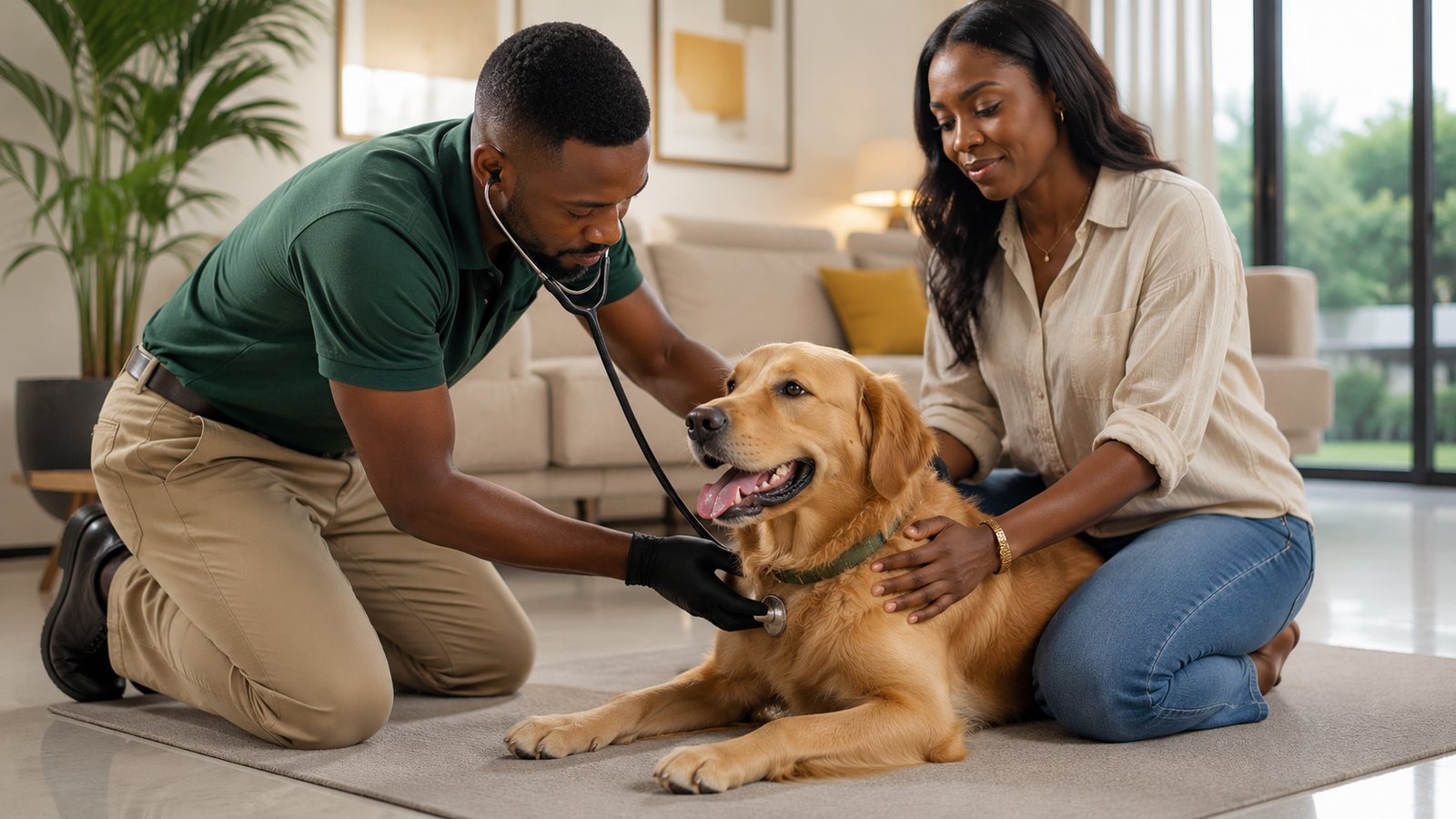
None of this requires wealth. It requires intention, and a system that makes doing the right thing easy. That is the entire reason Care Plans exist: the schedule lives with us, the vet arrives on time, and your animal simply gets what it needs. This World Animal Day, put your pet's routine on autopilot; book a visit and we will map it out together.
Put your pet's routine on autopilot
Vaccines, deworming and check-ups on our calendar, our reminders, our vet at your door.