Home alone: fixing separation anxiety before your neighbours complain
Howling, chewing and scratched doors when you leave are panic, not spite. A practical retraining plan that works in weeks.

The complaint usually arrives from a neighbour before the owner notices: the dog cries from the moment you leave until you return. Or you come home to chewed shoes and a scratched door. This is not disobedience and it is not spite. It is panic, and punishing panic makes it worse.
What separation anxiety looks like
Vocalising that starts within minutes of your exit, destruction focused on doors and windows (the escape routes), pacing, drooling, and accidents from a house-trained dog. The tell is timing: it happens when you leave, every time you leave.
Why it develops
Dogs that are never alone learn that being alone is abnormal. It spikes in dogs whose owners work from home and then return to the office, in rehomed dogs, and after a household change like a move or a family member leaving. Some breeds bond intensely and feel it more.
The retraining plan
- Kill the drama around exits and entries. Leave without ceremony; return and ignore the dog for the first two minutes. Your calm teaches that departures are boring.
- Practise fake departures: pick up keys, wear shoes, then sit back down. Repeat until the triggers mean nothing.
- Build alone-time in tiny steps: one minute behind a closed door, then five, then twenty, always returning before panic starts.
- Give the alone-time a job: a treat-puzzle toy or a long-lasting chew that only appears when you leave turns your exit into a good event.
- Exercise first. A dog that has walked and played sleeps through your absence far more easily.
When to get help
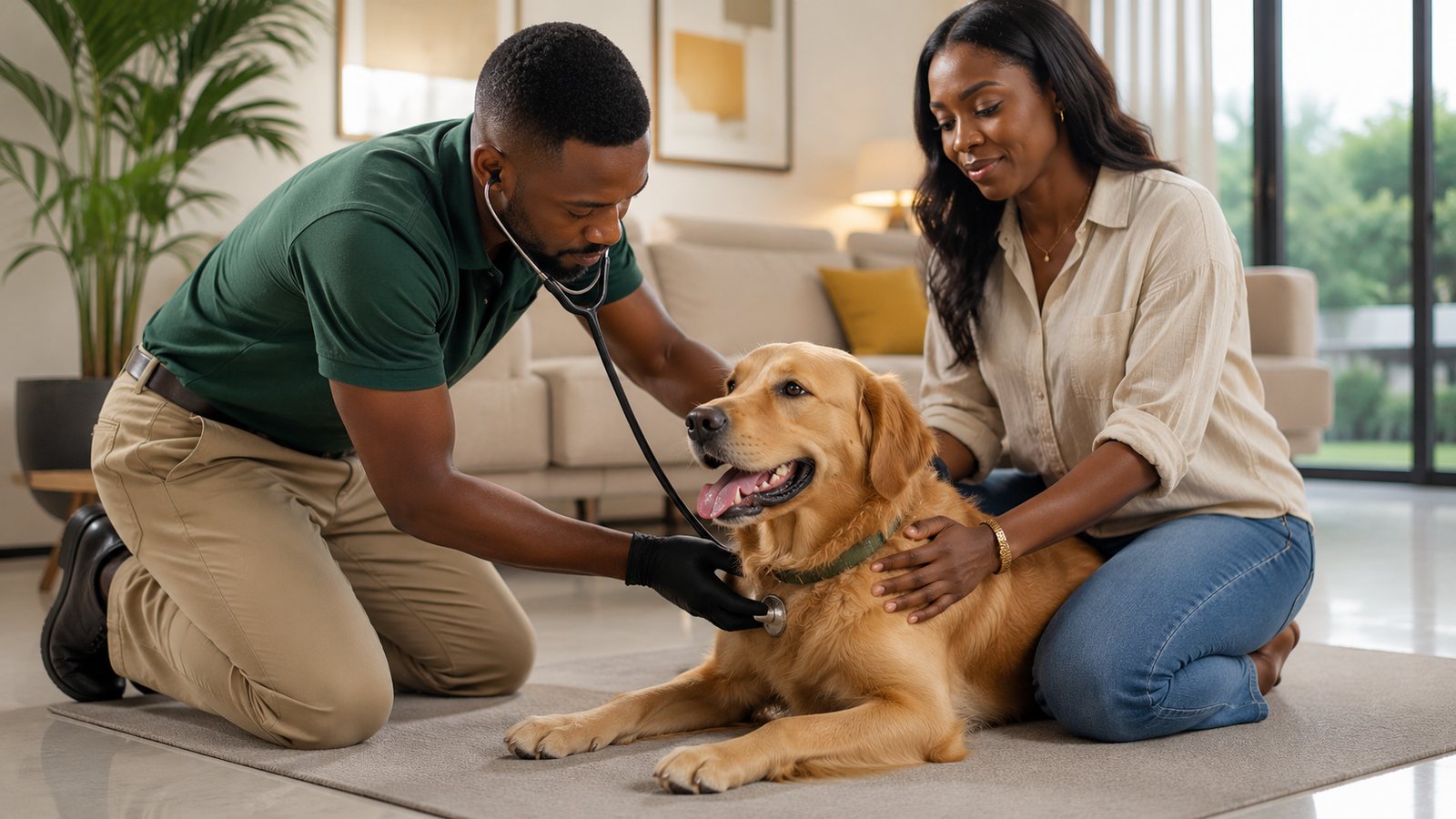
If the panic is severe, the dog injures itself, or weeks of consistent training move nothing, talk to a vet. Health issues can masquerade as anxiety, and severe cases sometimes need medication alongside training, which is a legitimate medical tool, not a failure.
Treat-puzzle toys and long-lasting chews are in the Pet Shop. And if the behaviour changed suddenly, book a check-up first; pain often hides behind "behaviour problems".
Make home work for your pet
From behaviour puzzles to compound treatments, most home problems have a house call answer.